
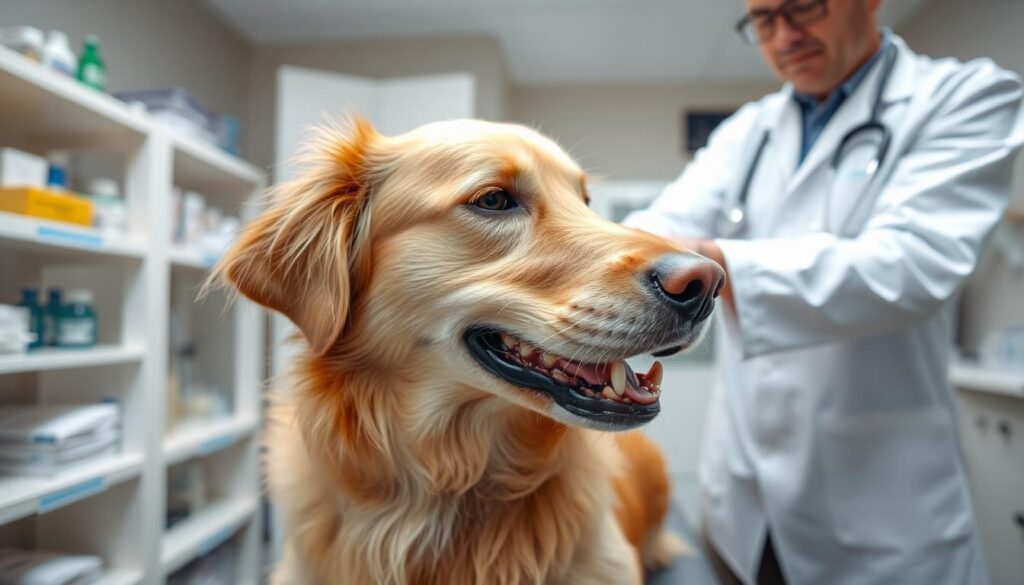
Did you know that 1 in 4 dogs face health issues that can be prevented? It’s heartbreaking to see your dog suffer from something that could be avoided. Taking care of your dog’s health is crucial. With the right advice, you can give your pet the best life.
Optimal dog healthcare means more than just vet visits. It also includes a balanced diet and plenty of exercise. Our guide will cover all you need to know. It will help you make choices that keep your dog happy and healthy.
Key Takeaways
- Understanding the importance of regular veterinary check-ups
- Nutritional guidelines for a balanced diet
- The role of exercise in maintaining dog health
- Recognizing signs of common health issues
- Preventive measures against parasites and diseases
The Foundations of Dog Healthcare
Creating a solid base for your dog’s health is key to their happiness. It’s about knowing what they need and finding a vet you trust.
Understanding Your Dog’s Health Needs
Every dog is special, with needs based on their breed and age. Breed-specific considerations are important for health.
Breed-Specific Considerations
Different breeds face different health challenges. Big dogs might get joint problems, while small ones could have dental issues. Knowing these can help you care for your dog better.
Lifestage Health Requirements
A dog’s health needs change as they grow. Puppies need shots and social time, adults need regular check-ups, and seniors need more care for age-related problems. It’s important to adjust their care as they age.
Establishing a Relationship with a Veterinarian
Having a good vet is crucial for your dog’s health. Regular visits help catch problems early and let you talk about canine health tips for your dog.
- Look for a vet you feel comfortable with.
- Make sure to schedule regular check-ups.
- Talk about your dog’s specific needs and any worries you have.
By knowing your dog’s health needs and working with a vet, you can give them the best care. This uses veterinary services for dogs well.
Essential Preventive Care Strategies
Keeping your dog healthy starts with a proactive approach. By focusing on key preventive care strategies, you can lower the risk of illness. This improves your pet’s overall wellbeing.
Vaccination Schedules and Parasite Prevention
Following a vaccination schedule is crucial for your dog’s health. Vaccines protect against serious diseases. Always follow your vet’s advice on when to vaccinate.
Parasite prevention is also key. This includes controlling fleas, ticks, and heartworms. It prevents discomfort and stops disease from spreading.
Regular Health Screenings
Regular health screenings are vital for preventive care. They help catch health issues early, when they’re easier to treat. Annual or bi-annual vet visits include various tests.
These tests range from basic blood work to specialized screenings. They depend on your dog’s age, breed, and health status.
At-Home Health Monitoring Techniques
At-home health monitoring is a great addition to vet care. It helps you recognize when your dog is healthy or not.
Physical Signs of Good Health
A healthy dog has a shiny coat, clear eyes, and a good appetite. Checking for these signs regularly helps spot any health issues early.
When to Seek Veterinary Attention
If your dog shows signs of illness, like vomiting or lethargy, seek vet help fast. Early treatment can greatly improve outcomes.
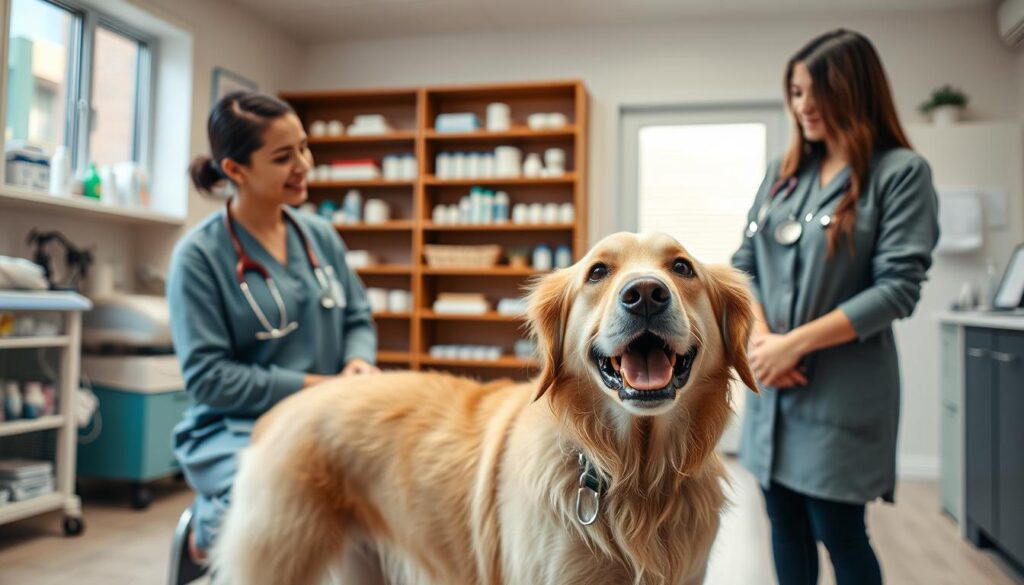
Nutrition and Exercise in Dog Healthcare
It’s important to make sure your dog eats right and gets enough exercise. A balanced diet and regular activity keep them healthy and happy.
Balanced Diet Fundamentals
A good diet for dogs has proteins, fats, carbs, vitamins, and minerals. Nutrition for dogs changes based on their age, breed, and health.
Commercial vs. Homemade Diets
Many owners choose between store-bought dog food and homemade meals. Commercial food is easy and meets nutritional needs. Homemade diets let you tailor the food. Always talk to a vet to pick the best diet for your dog.
Dietary Supplements: Necessary or Not?
Supplements can help dogs with health problems. But, always check with a vet before adding them. This prevents too much of any nutrient.
Exercise Requirements by Breed and Age
Dogs need different amounts of exercise based on their breed and age. High-energy dogs like Border Collies need more than low-energy dogs like Bulldogs. Puppies need lots of play, while older dogs should have shorter, easier walks.

Maintaining Healthy Weight
Keeping your dog at a healthy weight is key for their health. A balanced diet and the right amount of exercise can help. Tailor these to your dog’s needs.
By focusing on holistic dog care with the right food and exercise, you can greatly improve your dog’s life and how long they live.
Addressing Common Canine Health Issues
It’s important to know about common dog health issues to care for your pet well. Dogs face many health problems, some more common than others.
Skin and Coat Problems
Skin and coat issues are common for dogs. These can be from allergies and fleas to serious problems like mange. Keeping your dog’s coat clean and feeding them well can help avoid these problems.
- Regularly check your dog’s skin and coat for signs of trouble.
- Use the right grooming tools and products for your dog’s coat.
- Feed a diet rich in omega-3 fatty acids to keep their skin healthy.
Digestive and Gastrointestinal Concerns
Digestive issues like diarrhea or constipation can upset dogs. Finding out why they happen is important to fix them.
Common reasons include eating things they shouldn’t, food allergies, and infections.
Joint Health and Mobility
As dogs get older, their joints can become a big concern. Arthritis can make it hard for them to move and enjoy life. Keeping them at a healthy weight and exercising them right can help.
- Watch your dog’s weight to avoid obesity, which can hurt their joints.
- Give them regular, gentle exercise that fits their age and health.
- Think about adding supplements like glucosamine and chondroitin for joint support.
Dental Care Essentials
Dental health is key for your dog’s overall health. Brushing their teeth regularly and getting vet dental care can stop problems like tartar and gum disease.
Start a dental care routine early to keep your dog’s mouth healthy.
Building a Comprehensive Healthcare Plan
Creating a healthcare plan for your dog is key to their happiness and health. It’s important to know their health needs, find a good vet, and use preventive care. This way, you can greatly improve their well-being.
Thinking about pet insurance for dogs is also crucial. It offers financial help and peace of mind. This lets you focus on your dog’s health without worrying about money. A good diet, exercise, and care, along with insurance, will give your dog a great start.
Being proactive and informed in your dog’s healthcare is vital. It helps prevent health problems and ensures they get the care they need. This approach not only makes your dog’s life better but also strengthens your bond with them.