

Did you know that advances in veterinary care can help your dog live longer? As a dog owner, making sure your pet lives a long and healthy life is key. With new canine aging treatments, you can greatly improve your dog’s life and how long they live.
By focusing on good nutrition and using the latest treatments, you can help your dog live a longer, healthier life. We aim to give you the knowledge and tools to help your dog live a longer life.
Key Takeaways
- Learn how to extend your dog’s lifespan using the latest therapies.
- Discover the importance of nutritional foundations in canine health.
- Explore cutting-edge treatments for improving your dog’s quality of life.
- Understand the role of veterinary care in promoting longevity.
- Gain insights into the most effective canine aging treatments.
Understanding Canine Aging: Why Your Furry Friend Ages Faster Than You
Dogs age differently than humans, and it depends on their breed and size. Larger dogs grow older faster than smaller ones. This is because of genetics, lifestyle, and the environment they live in.
The Science Behind Dog Years vs. Human Years
The idea of “dog years” is often confused. It’s not just a simple ratio like one dog year equals seven human years. It’s more complex, considering the dog’s size, breed, and health. For example, big dogs age quicker than small ones.
Knowing this science helps you find the right pet longevity solutions for your dog. It’s all about understanding their unique needs.
How Different Breeds Age at Different Rates
Dogs of different breeds age in their own ways. For example, giant breeds like Great Danes live shorter lives than tiny breeds like Chihuahuas. This is because of their genetics, metabolism, and health risks.
By knowing how your dog’s breed ages, you can prevent aging in dogs. This ensures they live longer and healthier lives.
When thinking about your dog’s aging, remember their diet, exercise, and health checks. Paying attention to these can slow down aging and improve their health.
Spotting the Signs: When Your Dog Begins to Age
Aging in dogs can be a slow process. But knowing the signs early on is key. As your dog gets older, they will show physical and behavioral changes. Spotting these early helps start anti-aging care on time.
Physical Changes to Look For
Look out for graying fur, reduced mobility, or changes in appetite in your aging dog. Regular vet visits are important. They help catch health issues early.
Behavioral Shifts That Signal Aging
Behavioral changes are just as important as physical ones. Your dog might sleep more or show less interest in fun activities. They may also change how they interact with you and their surroundings.
Perfect Timing: When to Start Anti-Aging Care
Knowing when to start anti-aging care is crucial for your dog’s well-being. Anti-aging supplements for dogs and dog wellness programs can support their health. Talking to your vet will help figure out the best time to start.
Dog Anti-Aging and Longevity Therapies: The Nutritional Foundation
Longevity therapy for pets starts with a healthy diet. A balanced diet is key to keeping your dog healthy and living longer.

Fighting Inflammation Through Diet
Reducing inflammation is crucial for anti-aging in dogs. Omega-3 fatty acids, antioxidants, and fiber are important. Adding natural anti-aging remedies for dogs like turmeric and green-lipped mussels can help.
The Benefits of Mindful Feeding Schedules
Mindful feeding schedules are important for your dog’s health. A regular feeding routine helps keep your dog at a healthy weight. It also lowers the risk of chronic diseases.
Powerful Superfoods That Boost Your Dog’s Lifespan
Some superfoods can help your dog live longer. Blueberries and sweet potatoes are great choices. They are full of antioxidants and vitamins.
By focusing on a diet rich in anti-inflammatory foods, mindful feeding, and superfoods, you can help your dog live a longer, healthier life.
Supplements That Turn Back the Clock for Your Canine Companion
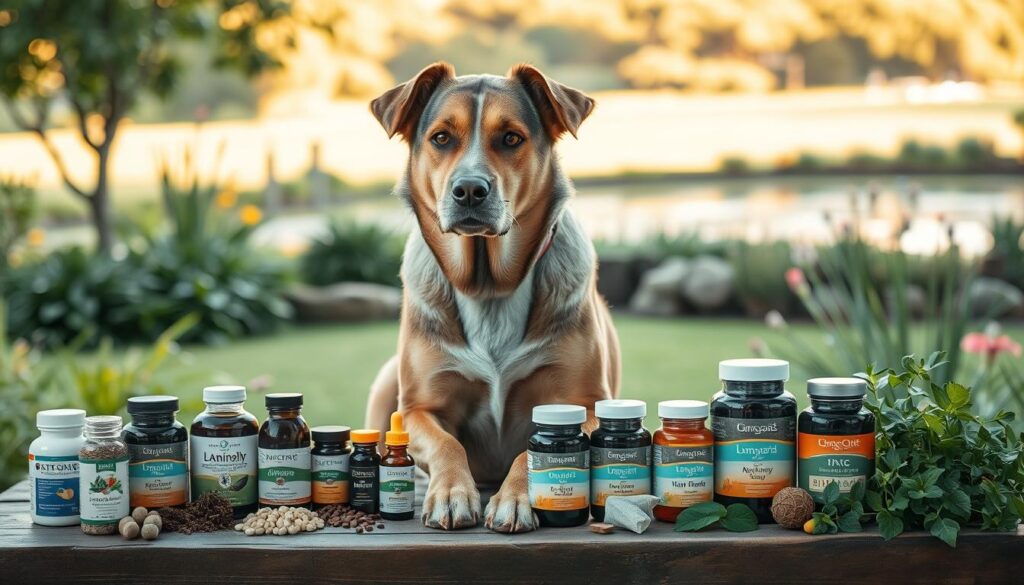
With the right supplements, you can help your dog stay young. These supplements are part of a holistic approach to dog aging. They fight aging, improve health, and can even extend life. Adding these supplements to your dog’s routine can support their well-being and help them live longer and healthier.
Antioxidants: Your Dog’s Defense Against Aging
Antioxidants are key in fighting oxidative stress, which causes cell damage and aging. Adding antioxidant-rich supplements to their diet helps neutralize free radicals. This promotes overall health. Vitamins C and E, turmeric, and green tea extract are common antioxidants in dog supplements.
Keeping Joints Young and Mobile
As dogs age, their joints can stiffen and hurt, making it hard to move. Supplements with glucosamine and chondroitin keep joints healthy and reduce swelling. Omega-3 fatty acids, especially EPA and DHA, also help with joint health and are good for dogs with arthritis.
Brain-Boosting Supplements for Senior Dogs
Cognitive decline is common in older dogs. Supplements with omega-3 fatty acids, antioxidants, and other nutrients support brain health and lower cognitive dysfunction risk. Ingredients like acetyl-L-carnitine and phosphatidylserine boost cognitive function and memory in senior dogs.
Movement is Medicine: Exercise Therapies for Aging Dogs
As dogs get older, they need different kinds of exercise. But, exercise is still key for their health. It keeps them moving, lowers disease risks, and boosts their mood.
Age-Appropriate Activities That Extend Life
It’s important to find the right activities for older dogs. Short walks and easy exercises like swimming or short play sessions are great. They keep muscles strong and joints moving without hurting their old bodies.
- Gentle walking routines
- Low-impact swimming
- Short play sessions
Healing Touches: Hydrotherapy, Massage, and Rehabilitation Options
Therapies like hydrotherapy, massage, and rehabilitation also help a lot. Hydrotherapy makes moving easier and eases pain. Massage improves blood flow and helps them relax. Custom rehab programs can help them recover and feel better.
Frontier Medicine: Cutting-Edge Treatments Extending Canine Lives
Veterinary medicine is getting better, leading to new treatments for dogs. These new therapies help improve a dog’s life and how long they live.
The world of veterinary medicine is changing fast. New approaches are showing great promise for better dog health. Some treatments are getting a lot of attention for their new ways of working.
Stem Cell Therapy: Regenerating Youthful Function
Stem cell therapy uses stem cells to fix damaged tissues. It might help dogs feel younger again. This treatment is being looked at for many age-related problems.
Promising Pharmaceutical Approaches to Canine Aging
Certain pharmaceutical approaches could slow down or even reverse aging in dogs. These medicines target aging-related biological pathways.
DNA Testing for Personalized Longevity Programs
DNA testing gives insights into a dog’s genes. It helps create care plans just for them. This genetic info helps owners make better choices for their pets.
Building Your Dog’s Longevity Blueprint
To extend your dog’s life, you need a detailed plan. This plan should include understanding how dogs age, recognizing aging signs, and using nutrition, supplements, exercise, and new treatments. This way, you can make a dog wellness program that fits your pet’s specific needs.
A good longevity therapy for pets includes a healthy diet, regular exercise, and preventive care. Adding supplements like antioxidants and joint boosters can help too. Also, treatments like stem cell therapy and DNA testing can give you insights to help your dog live longer.
By being proactive and using a variety of care methods, you can greatly improve your dog’s life and lifespan. Begin making your dog’s longevity plan today. Start by checking their needs and working with your vet to make a plan that’s just right for them.