

A recent U.S. survey of 1,900 dog owners revealed that 90% consider their dog’s health equally or more important than their own. This highlights a growing trend among pet owners who prioritize nutrition for their furry companions.
Key findings show that 64% of owners focus on diet, while 56% are attentive to supplements. Additionally, an impressive 96% of respondents expressed a willingness to pay extra for healthier meals for their dogs.
Understanding Pet Nutrition Priorities
A U.S. survey of 1,900 dog owners found that 90% consider their dog’s health equally or more important than their own. This statistic underscores a significant shift in how pet owners prioritize nutrition.
With 64% of owners focusing on diet and 56% paying attention to supplements, the trend is clear: pet health is paramount. Furthermore, an impressive 96% of respondents expressed a willingness to pay extra for healthier meals. This growing awareness is reshaping the landscape of pet nutrition.
High-Quality Ingredients Matter
When it comes to feeding dogs, the quality of ingredients plays a vital role. Owners are increasingly opting for high-quality dog food that lists real meat as the first ingredient. This ensures that pets receive the protein they need for energy and muscle health.
Incorporating fresh vegetables like carrots and peas not only adds color to the meal but also provides essential vitamins and minerals. These ingredients contribute to overall health and can enhance the palatability of the food.
The Role of Healthy Fats
Healthy fats are crucial for maintaining a dog’s skin and coat health. Ingredients such as fish oil or flaxseed oil can be beneficial additions to meals. They support a shiny coat and can even help with joint health.
Including these fats in a dog’s diet is a simple way to promote overall wellness. Owners should consider their dog’s specific needs and consult with a veterinarian for tailored recommendations.
Supplements for Enhanced Nutrition
Many dog owners are turning to supplements to ensure their pets receive balanced nutrition. Omega-3 fatty acids and probiotics are popular choices that can support various aspects of health, from digestion to immune function.
Before introducing any supplements, it’s wise to consult with a veterinarian. They can provide guidance on the appropriate types and dosages based on the dog’s individual health requirements.
Homemade Treats: A Nutritious Snack
Homemade treats can be a delightful addition to a dog’s diet. Ingredients like oats, peanut butter, and pumpkin are not only safe but also nutritious. These treats can serve as rewards or snacks between meals.
Making treats at home allows owners to control the ingredients and avoid additives that may be present in commercial options. This approach aligns with the trend of prioritizing health and nutrition for pets.
Preparing Nutritious Meals
Preparing nutritious meals for dogs can be a straightforward process. Owners can choose between high-quality commercial dog food or create homemade meals using fresh ingredients. The key is to incorporate a variety of vegetables and healthy fats.
By focusing on balanced nutrition, pet owners can significantly impact their dog’s health and well-being. With a little effort, it’s possible to create meals that are both nutritious and enjoyable for furry companions.
Understanding Pet Nutrition Priorities
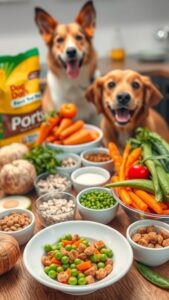
These insights reflect a significant shift in how dog owners approach pet care, emphasizing the importance of high-quality ingredients and balanced diets. As pet nutrition becomes a priority, owners are increasingly looking for ways to enhance their pets’ meals with nutritious options.
Ingredients
- High-quality dog food with real meat as the first ingredient
- Fresh vegetables like carrots, peas, and sweet potatoes
- Healthy fats such as fish oil or flaxseed oil
- Supplements like omega-3 fatty acids or probiotics
- Homemade treats using oats, peanut butter, and pumpkin
Instructions
- Choose a high-quality commercial dog food or prepare homemade meals using fresh ingredients.
- Incorporate a variety of vegetables to provide essential vitamins and minerals.
- Add healthy fats to support skin and coat health.
- Consider including supplements as recommended by a veterinarian.
- Prepare homemade treats with dog-safe ingredients for a nutritious snack.
Cook and Prep Times
- Prep Time: 15 minutes
- Cook Time: 30 minutes
- Total Time: 45 minutes
- Servings: Varies based on dog size and dietary needs
- Calories: Varies based on ingredients used
- Fat: Varies based on recipe
- Protein: Varies based on recipe
- Carbohydrates: Varies based on recipe